
Introduction to Autonomous AI Assistants
Let’s be honest — work is changing faster than ever. Emails, meetings, deadlines, reports… it never ends. Now imagine having a digital teammate that doesn’t sleep, doesn’t complain, and learns from every task. That’s exactly what autonomous AI assistants are bringing to the table.
What Are Autonomous AI Assistants?
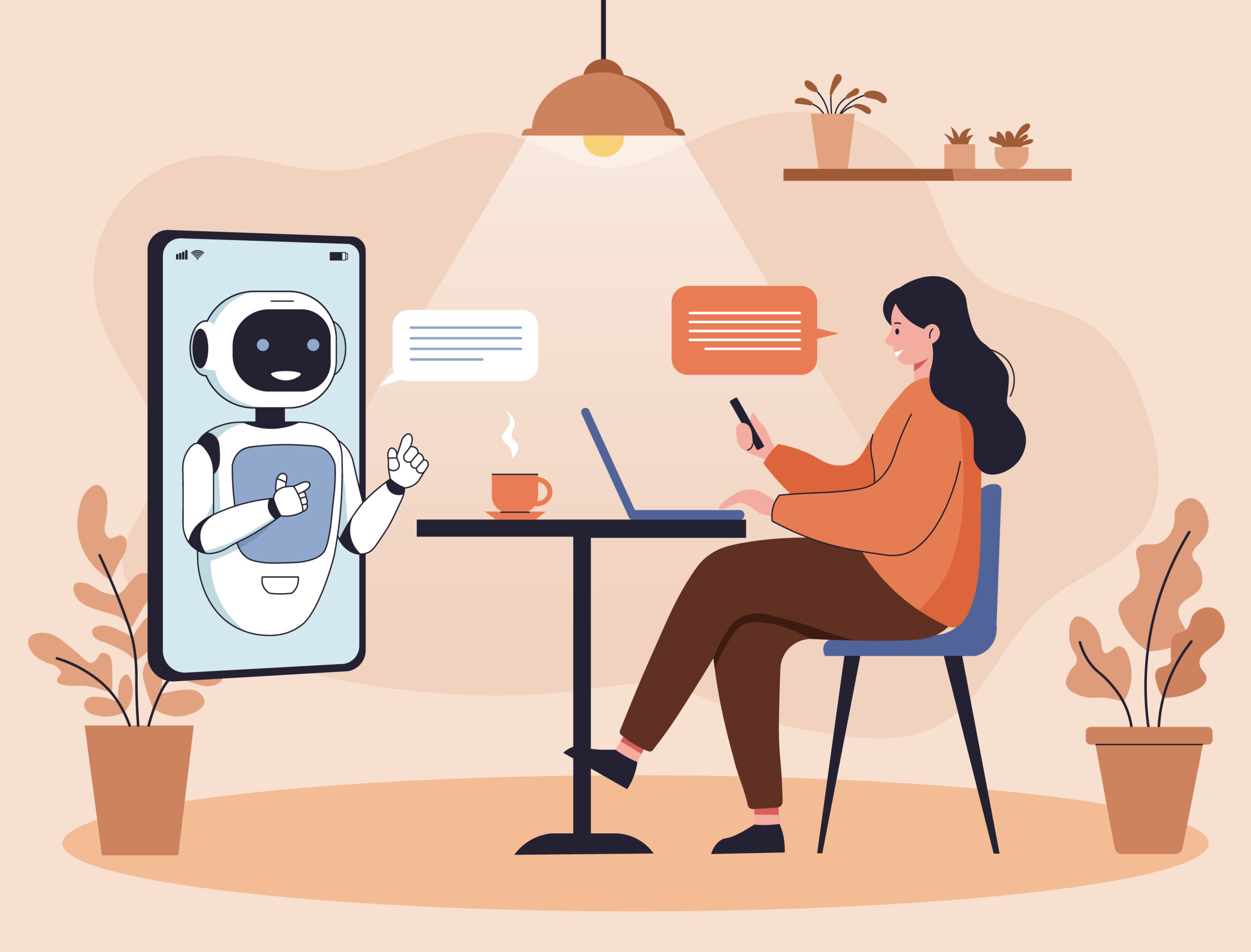
Autonomous AI assistants are intelligent systems capable of performing tasks independently. Unlike basic chatbots or automation tools, they don’t just follow scripts. They analyze data, make decisions, adapt to new situations, and even improve over time.
Think of them as employees who never clock out.
How They Differ from Traditional Automation
Traditional automation is like a vending machine — input something, get a fixed output. Autonomous AI? It’s more like a chef who adjusts the recipe based on taste. It learns. It adapts. It evolves.
That’s the real game changer.
The Evolution of AI in the Workplace
AI didn’t just appear overnight. It grew — step by step.
Early Automation Tools
In the early days, businesses used rule-based software. Simple “if-this-then-that” systems handled repetitive tasks like payroll and inventory management.
Helpful? Yes. Intelligent? Not really.
Machine Learning Breakthroughs
Then came machine learning. Systems started analyzing patterns instead of just following instructions. Suddenly, AI could predict customer behavior or detect fraud.
That was the turning point.
The Shift Toward Autonomy
Now, we’re entering the era of autonomy. AI assistants don’t just recommend actions — they execute them. Schedule meetings. Optimize ad campaigns. Manage workflows.
All without constant human supervision.

How Autonomous AI Assistants Work
Under the hood, it’s a blend of powerful technologies working together.
Core Technologies Behind Them
Natural Language Processing (NLP)
NLP allows AI to understand and respond to human language. It’s why you can talk to AI like you’re talking to a colleague.
Machine Learning and Deep Learning
These models analyze huge datasets and continuously improve performance. The more data they process, the smarter they get.
Decision-Making Algorithms
Advanced algorithms evaluate options and choose optimal actions based on goals and constraints.
It’s like having a strategist inside a machine.
Key Industries Embracing Autonomous AI
AI assistants aren’t limited to tech companies. They’re everywhere.
Healthcare
From scheduling appointments to analyzing medical records, AI reduces administrative burdens and supports diagnosis.
Finance
AI detects fraud, automates trading, and analyzes market risks in real time.
Marketing and Sales
Personalized email campaigns, automated lead nurturing, and predictive analytics — all powered by AI.
Manufacturing
Smart robots manage production lines, detect defects, and optimize supply chains.
Efficiency on steroids.
Benefits of Autonomous AI Assistants
Why are businesses racing to adopt them?
Increased Productivity
AI handles repetitive tasks so humans can focus on creative and strategic work.
Cost Reduction
Less manual labor means lower operational costs.
Enhanced Decision-Making
Data-driven insights lead to smarter decisions.
24/7 Availability
No breaks. No vacations. Constant performance.
Challenges and Concerns
Of course, it’s not all sunshine and rainbows.
Job Displacement Fears
Many worry AI will replace human jobs. But history shows technology often creates new roles instead of eliminating work entirely.
Data Privacy and Security
AI systems rely on massive data. Protecting that data is critical.
Ethical Considerations
Bias in algorithms and transparency issues remain serious concerns.
Human + AI Collaboration
Here’s the truth: AI works best with humans.
Augmentation vs Replacement
AI isn’t about replacing workers. It’s about amplifying their abilities.
Think Iron Man — not the robot replacing Tony Stark.
Building Hybrid Teams
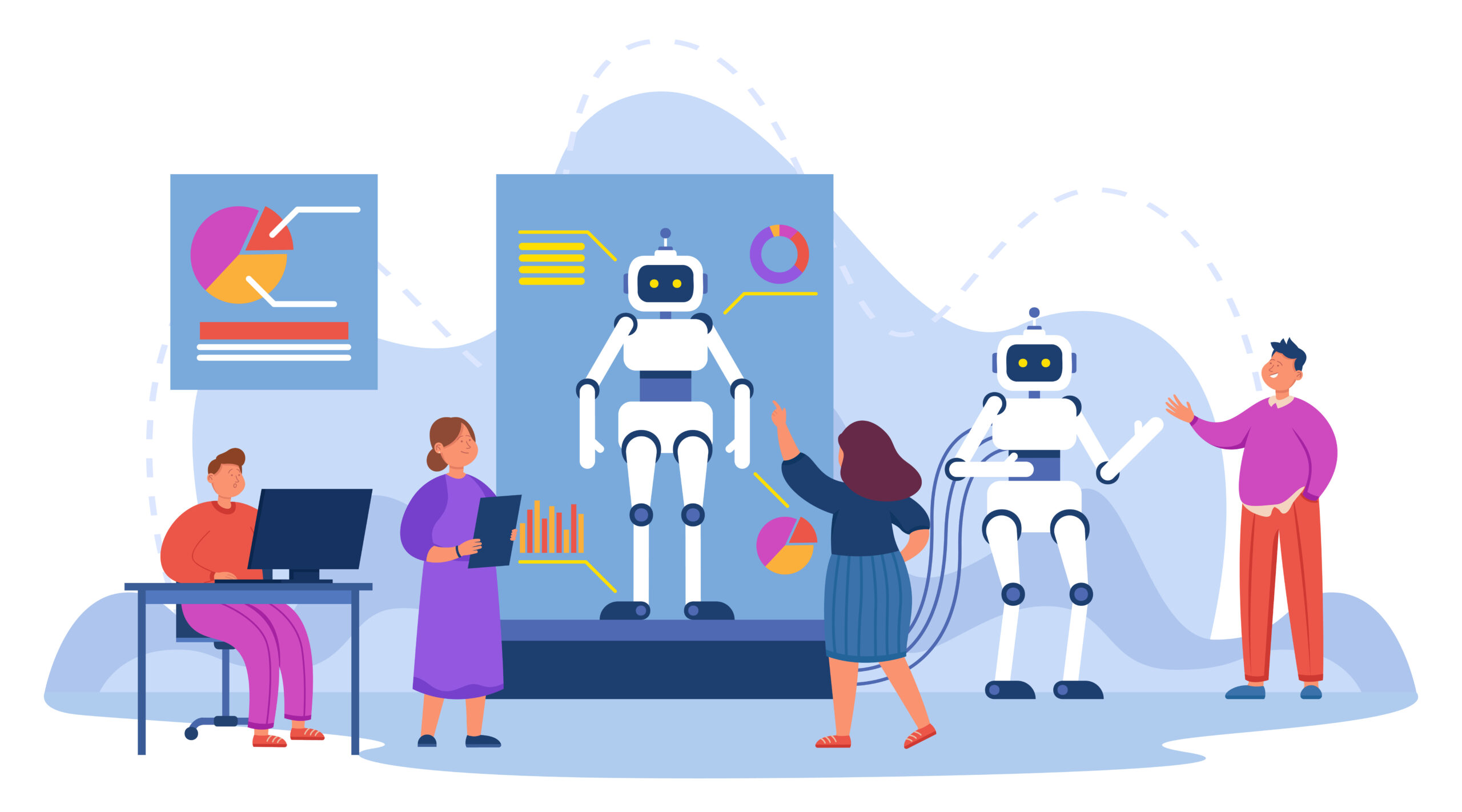
Companies are building teams where AI handles analysis and humans handle empathy, creativity, and leadership.
That balance is powerful.
The Impact on Remote Work
Remote work exploded globally, and AI is making it smoother.
Virtual AI Teammates
AI assistants schedule meetings, summarize discussions, and manage tasks.
AI in Project Management
AI tracks deadlines, predicts bottlenecks, and suggests solutions before problems escalate.
It’s like having a silent project manager watching everything.
Skills Needed in an AI-Driven Future
If AI is rising, what should you do?
Digital Literacy
Understanding AI tools will be as basic as knowing how to use email.
Emotional Intelligence
Machines can calculate, but they can’t truly feel.
Critical Thinking
Humans must oversee, question, and refine AI decisions.
The Role of Businesses in AI Adoption
Companies can’t just plug in AI and hope for magic.
Strategic Implementation
Clear goals, proper integration, and continuous monitoring are essential.
Employee Training Programs
Upskilling employees ensures smooth transitions.
The Economic Impact of Autonomous AI
The global AI market is expanding rapidly.
Market Growth Predictions
Experts predict AI will contribute trillions to the global economy over the next decade.
New Job Categories Emerging
AI trainers, prompt engineers, AI ethicists — jobs that didn’t exist a few years ago.
Change creates opportunity.
AI Regulation and Governance
With great power comes great responsibility.
Global Policy Trends
Governments are developing frameworks to regulate AI responsibly.
Corporate Responsibility
Companies must ensure transparency, fairness, and accountability.
The Future Outlook
So what’s next?
Fully Autonomous Workflows
Imagine entire departments run with minimal human oversight.
AI as Executive Assistants
Future CEOs may rely on AI for strategic forecasting and competitive analysis.
The future isn’t coming.
It’s already here.
Conclusion
Autonomous AI assistants are reshaping the future of work in ways we couldn’t imagine a decade ago. They’re faster, smarter, and more adaptable than traditional systems. But here’s the key: they’re not here to replace us. They’re here to elevate us.
The real winners? Those who learn to collaborate with AI instead of competing against it.
Work is evolving. The question is — are you ready?