
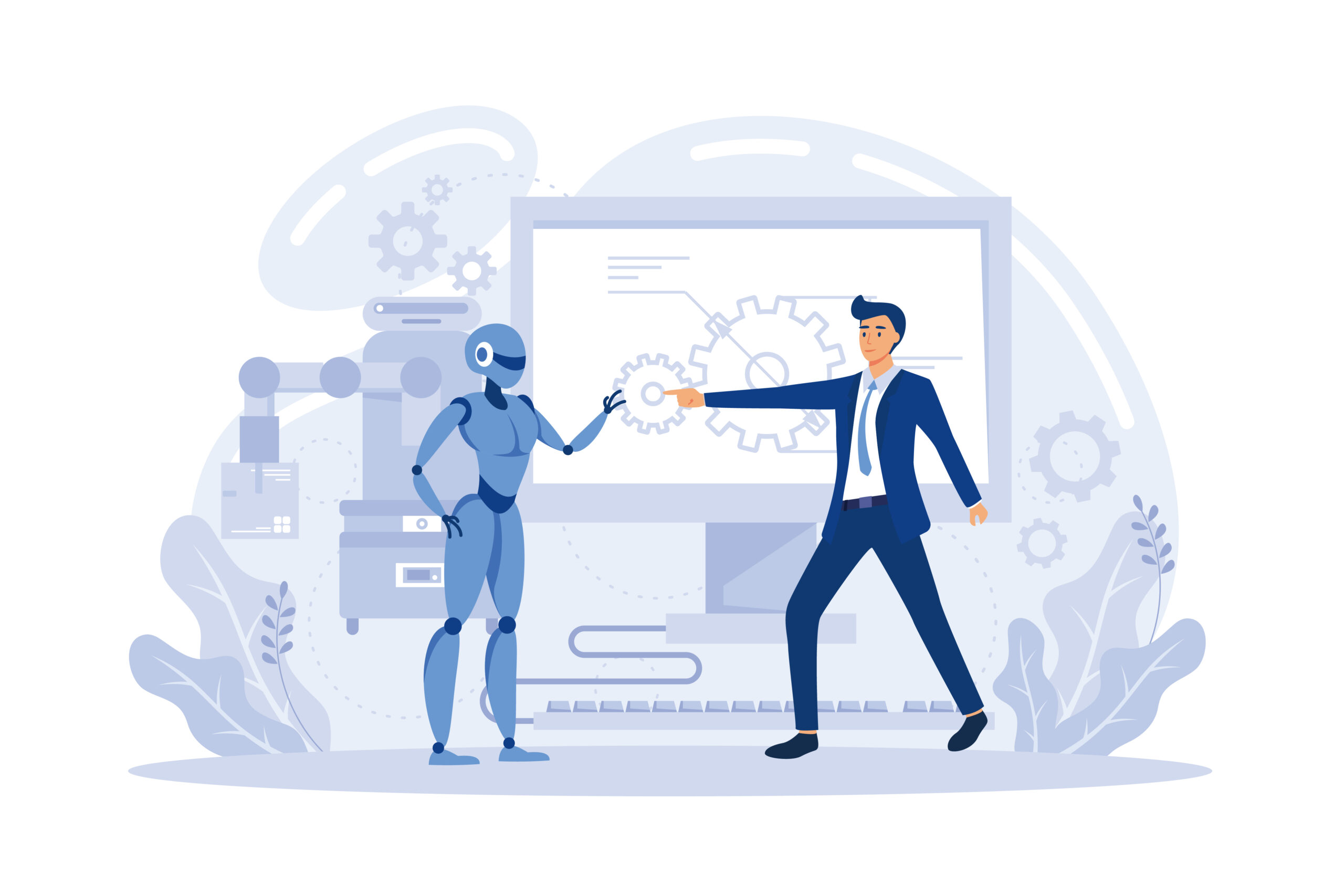
In 2026, artificial intelligence is no longer just assisting businesses — it is acting on their behalf.
The biggest shift in business technology this year is the rise of autonomous AI agents: systems that don’t just suggest actions, but plan, execute, and optimize tasks independently. This evolution is redefining how companies operate, scale, and compete.
What once required teams of employees can now be handled by intelligent software working 24/7.
1. What Are Autonomous AI Agents?
Autonomous AI agents are systems that can:
- Set goals
- Break them into tasks
- Make decisions
- Execute actions
- Learn from outcomes
Unlike traditional AI tools that wait for commands, these agents operate proactively within defined boundaries.
In simple terms:
They don’t just help businesses — they run parts of them.
2. Why 2026 Is the Turning Point
Several factors have aligned to make autonomous AI practical at scale:
- More powerful AI models
- Lower computing costs
- Better integrations with business software
- Improved safety and control mechanisms
- Growing demand for lean operations
Businesses now trust AI not just with insights, but with execution.
3. Where Businesses Are Using AI Agents
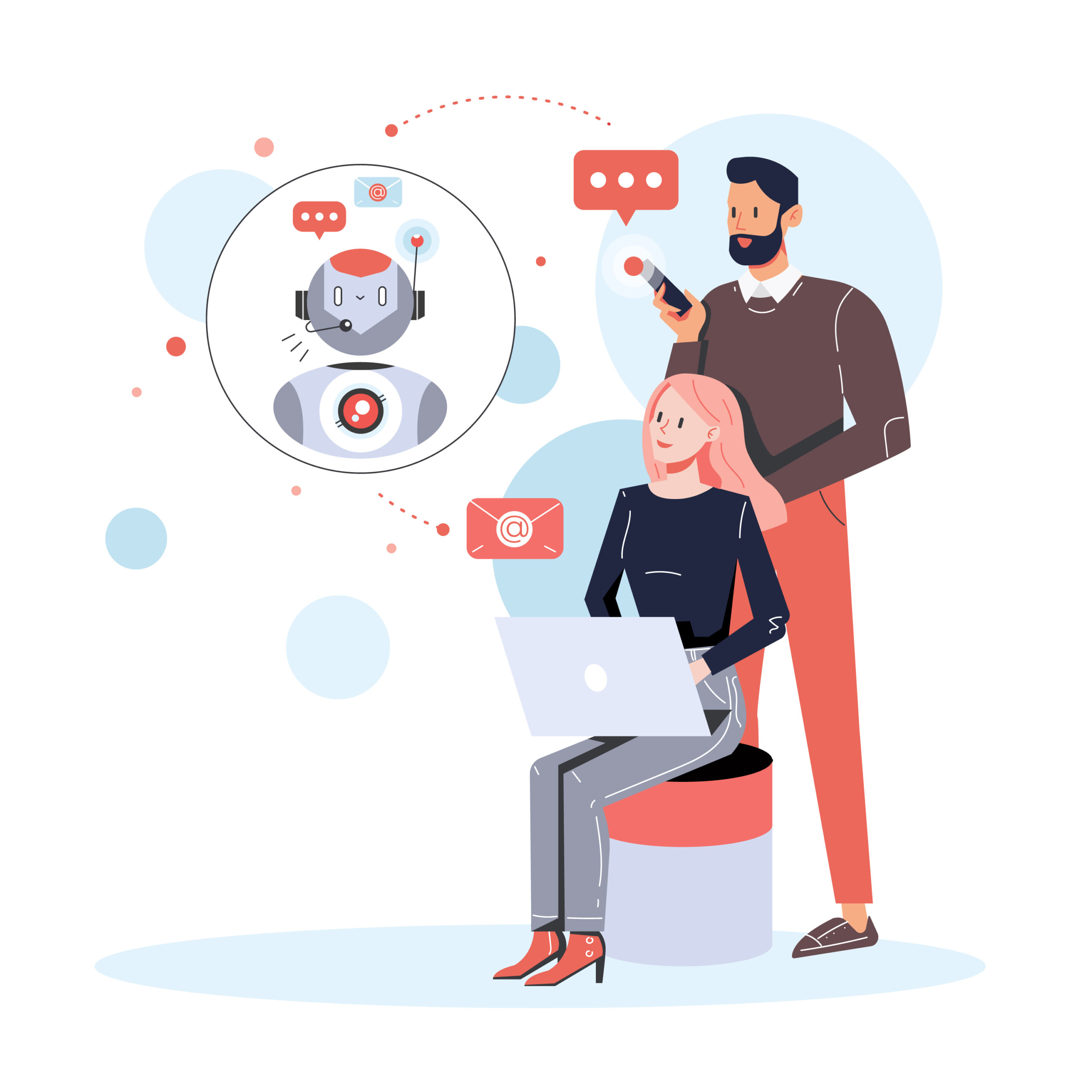
In 2026, AI agents are actively managing:
- Customer support workflows
- Sales follow-ups and lead qualification
- Marketing campaigns and content distribution
- Supply chain monitoring
- Financial reporting and forecasting
- Internal task coordination
This dramatically reduces operational friction.
4. The Productivity Advantage
Companies using AI agents report:
- Faster decision-making
- Lower operational costs
- Fewer human errors
- Continuous optimization
- Scalable output without linear hiring
One AI agent can now replace multiple manual processes — without fatigue or downtime.
5. The New Role of Human Teams
AI agents don’t eliminate human roles — they elevate them.
Humans now focus on:
- Strategy
- Creativity
- Ethics and oversight
- Relationship building
- High-level problem solving
Routine execution is increasingly handled by machines.
6. Competitive Pressure Is Rising
In 2026, businesses that avoid automation face serious disadvantages.
Companies using autonomous systems:
- Move faster
- Respond to markets instantly
- Operate with lower margins
- Scale without chaos
The gap between AI-powered businesses and traditional ones is widening rapidly.
7. Risks and Responsible Use
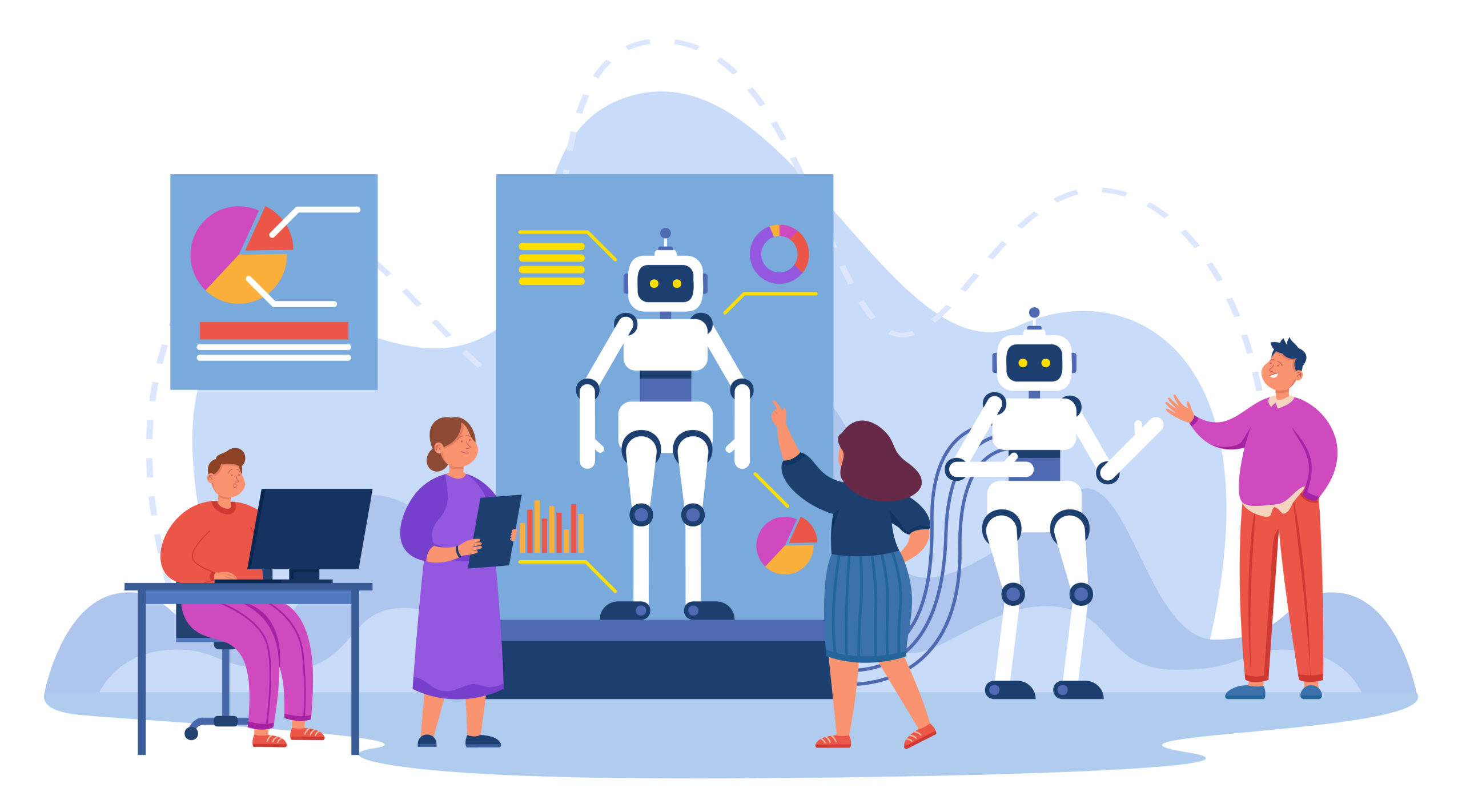
With great power comes responsibility.
Smart businesses:
- Set strict boundaries for AI actions
- Monitor decisions continuously
- Keep humans in critical approval loops
- Prioritize data security and ethics
The winners in 2026 are not those who automate blindly — but those who automate wisely.
Conclusion
Autonomous AI agents represent the biggest shift in business operations since the internet.
In 2026, success is no longer about having more employees or bigger budgets — it’s about having smarter systems.
Businesses that learn to collaborate with AI agents today will define the next decade of innovation, efficiency, and growth.