
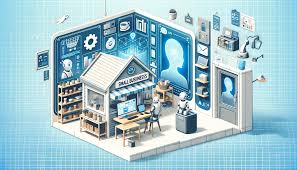
Artificial intelligence is no longer just a tool for big corporations — it’s becoming one of the most powerful growth engines for small businesses. From automation to customer experience to smarter decision-making, AI is helping small companies work faster, reduce costs, and compete with much larger brands.
Here’s a breakdown of how AI is revolutionizing small businesses today:
1. Automating Repetitive Tasks
Small business owners often juggle dozens of manual tasks. AI helps reduce the workload by taking over routine, time-consuming activities.
Examples:
-
Customer support: AI chatbots handle FAQs, bookings, and basic troubleshooting 24/7.
-
Inventory management: Smart systems forecast demand and reorder stock automatically.
-
Accounting: AI tools automate payroll, invoicing, expense tracking, and tax calculations.
Automation frees up time so teams can focus on strategy and growth rather than busywork.
2. Delivering Personalized Customer Experiences
Personalization used to be expensive — now, AI makes it accessible for even the smallest businesses.
AI enables:
-
Recommendation engines (like Amazon-style suggestions)
-
Tailored product or service recommendations
-
Data-driven customer segmentation
-
More effective, targeted marketing campaigns
This leads to higher engagement, stronger loyalty, and better conversion rates.
3. Smarter, Data-Driven Decision-Making
Small businesses can now use AI-powered insights to make informed decisions rather than relying on guesswork.
Examples:
-
Predictive analytics to forecast trends, revenue, and customer behavior
-
Business intelligence dashboards that highlight improvement opportunities
-
Real-time data analysis to guide pricing, inventory, and marketing
AI gives small business owners the clarity they need to plan ahead confidently.
4. Enhanced Customer Support
AI is dramatically improving customer service for small businesses.
AI tools include:
-
Chatbots and virtual assistants that provide instant support
-
Sentiment analysis tools that scan reviews and messages to detect customer mood
-
Automated ticket routing for faster problem resolution
The result? Faster responses, higher satisfaction, and more consistent service.
5. Cutting Costs Across Operations
AI is helping small businesses stay lean and profitable by reducing unnecessary spending.
Cost-saving examples:
-
Optimized inventory: Avoiding overstocking and stockouts
-
Predictive maintenance: Reducing equipment downtime
-
Reduced labor costs: Automating repetitive tasks
When operations run smoothly, profits rise.
6. Stronger and Smarter Marketing
Marketing has become more strategic thanks to AI.
AI marketing tools help with:
-
Social media analytics: Tracking engagement and trending topics
-
Ad targeting: Showing ads to the best audience at the best time
-
Content optimization: Suggesting high-performing keywords and formats
This leads to better ROI, less wasted ad spend, and more consistent results.
7. Improved Recruitment and Talent Management
Hiring is one of the hardest tasks for small businesses — AI makes it easier.
AI can:
-
Screen resumes and shortlist the most qualified candidates
-
Analyze candidate skills and cultural fit
-
Track employee sentiment and satisfaction
-
Predict turnover risks
This reduces hiring mistakes and keeps teams engaged.
8. Better Fraud Detection and Cybersecurity
With cyber threats rising, AI provides an extra layer of protection.
AI security tools:
-
Monitor networks for suspicious activity
-
Detect abnormal transactions in real-time
-
Protect business data from hacking attempts
-
Automate fraud alerts and security updates
Even small businesses can now enjoy enterprise-grade security.
9. Streamlined Sales Processes
AI is helping small businesses close deals faster and more efficiently.
Examples:
-
Lead scoring: Ranking leads based on their likelihood to convert
-
Sales forecasting: Predicting future trends using historical data
-
Automation of follow-ups: Ensuring no leads fall through the cracks
This improves team productivity and increases revenue.
10. Enhancing E-commerce Performance
AI gives online stores a competitive edge in crowded markets.
AI improves:
-
Personalized product recommendations
-
Dynamic pricing based on demand and competition
-
Smart product tagging and categorization
-
Automated customer service for online shoppers
This leads to higher conversions and a smoother shopping experience.
AI is leveling the playing field for small businesses, helping them operate more efficiently, deliver better experiences, and compete with larger companies. By embracing AI tools, small businesses can scale faster, innovate more easily, and reach their full potential.